Frequently asked questions
Which Atlanta landmarks suit a history-focused visit?
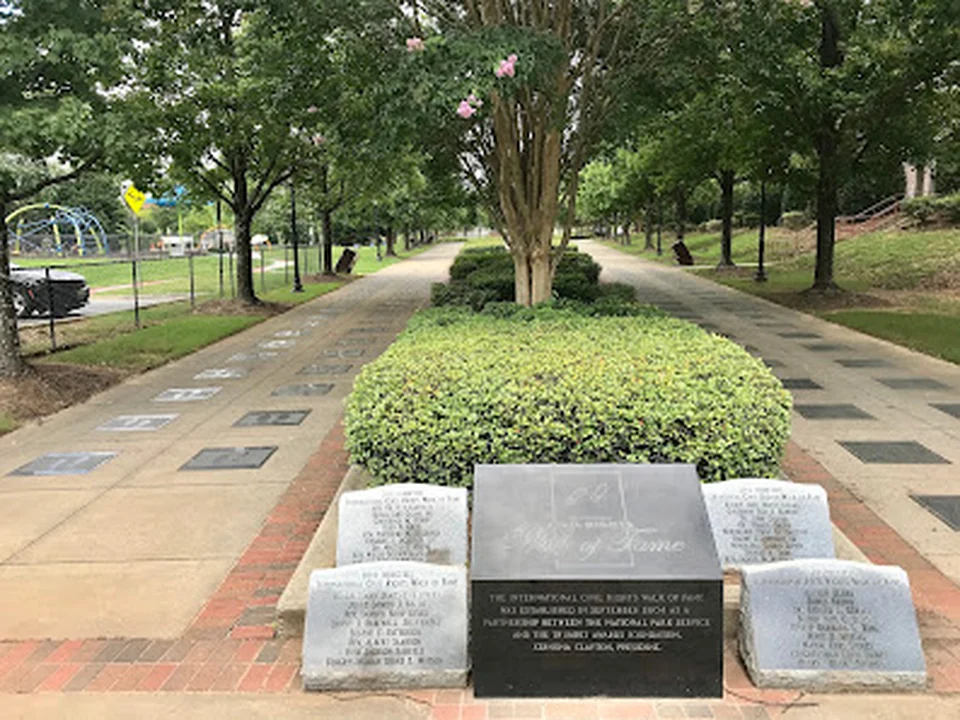
The King Center and the International Civil Rights Walk of Fame are natural starting points for civil rights history and heritage. The Black music and entertainment walk of fame adds a cultural perspective to an Atlanta-focused itinerary.
Group the stops by distance and allow time to read, reflect, and move between locations.
Are Atlanta landmarks suitable for families or school outings?
The King Center is specifically associated with educational family and school visits. Other landmarks may work well depending on the children’s ages, walking tolerance, and interest in history, architecture, or cultural heritage.
Before visiting as a group, confirm any arrangements needed for access, timing, and supervision.
Can I visit Atlanta landmarks on foot?
Some entries support a walking-based downtown itinerary, particularly the Fairlie-Poplar District and nearby historical places. Use the map to check the actual distance between stops and plan rest, food, and weather breaks.
A compact route is usually more enjoyable than attempting too many disconnected locations in one day.
What landmark works well before a performance?
The Castle is described as suitable for drinks or dinner before a performance. When building that kind of evening, check the timing carefully and reserve ahead if needed.
Leave enough travel time between the meal and the venue, especially if your group includes children or if the itinerary crosses downtown.
What should I check before visiting an Atlanta landmark?
Confirm opening details, access arrangements, any reservation requirement, and whether the site is primarily an outdoor walk or an organized visit. These details affect what to wear, how long to stay, and how much of the route can be completed.
For heritage locations, plan a respectful visit and avoid rushing through the historical context.
 #1